
Are you trying to teach your child how to read but don’t know where to start?
When my daughter was two and a half, teaching her to read wasn’t even on my radar.
I was too busy dealing with tantrums, snacks, and potty training.
But one day, I stumbled upon a simple reading system that changed everything.
Within weeks, she was reading three-letter words—and I was completely blown away.
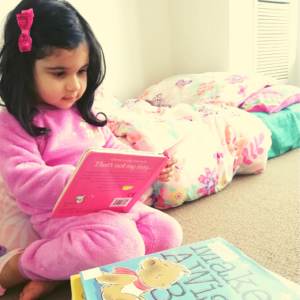
In this post, I’ll walk you through the exact order I followed to teach her to read and share the free phonics worksheets that made learning so much easier (you can grab them below!).
💌 Grab Your Free Phonics Worksheet Pack
Want ready-to-use activities to make reading fun and easy?
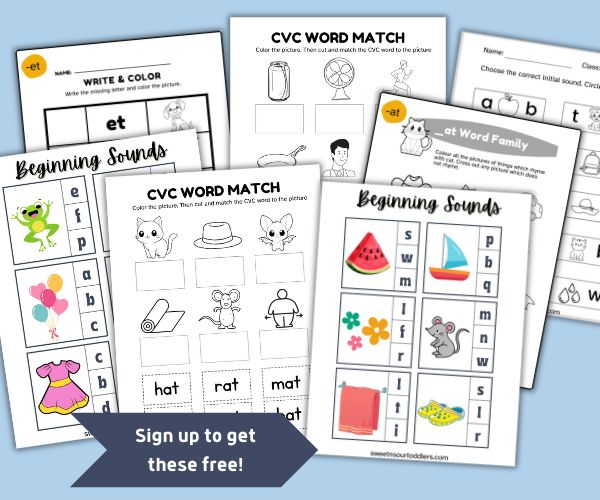
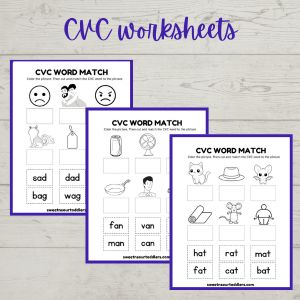
Get 20+ printable worksheets covering phonemic awareness, beginning sounds, CVC words, and word families—the same ones I used with my daughter!
👉 Get the Free Phonics Worksheet Pack Below!

1. Pre-Reading Skills 🧩
Before teaching letter sounds or blending, your child needs to master key pre-reading skills. These include listening, recognizing rhymes, identifying beginning sounds, and understanding that words are made up of sounds.
If your child can confidently do these things, you’re ready to move into phonics. If not, spend a little time strengthening those foundational skills through songs, rhyming books, and oral games.
Once you’ve got that foundation—it’s time for the fun part!
2. Phonics: The Foundation of Reading 📚
Phonics teaches children how letters and sounds work together. When you teach a letter, always pair its name with its sound.
For example:
“This is the letter A. It says /aaaaa/.”
These small steps are powerful. Every time your child connects a letter with its sound, they’re unlocking a piece of the reading puzzle.
To make practice easy, I created fun phonics activity sheets you can download from the free pack below.
👉 Download Your Free Phonics Worksheets
3. Understanding Phonemic Awareness 💡
Phonemic awareness is the ability to hear and manipulate individual sounds in spoken words—without seeing any letters.
This step often gets skipped, but it’s critical. Kids need to recognize that the word cat has three sounds: /c/, /a/, /t/. Once they can do that, reading and spelling become so much simpler.
Fun ways to build phonemic awareness:
- Play rhyming games
- Ask, “What sound does dog start with?”
- Do “sound hunts” around the house
I’ve included some printable phonemic awareness games inside the free pack that make these skills click quickly!
This page contains affiliate links. If you choose to purchase after clicking a link, I may receive a commission at no extra cost to you.
4. CVC Words and Blending 🔤
CVC words are three-letter words following the consonant-vowel-consonant pattern, such as “cat,” “dog,” and “pig.” These words are fundamental in early reading instruction because they are simple, phonetic, and easy for children to decode and encode.
Blending involves combining individual sounds to form words, which is essential for reading fluency. For example, blending the sounds /c/, /a/, and /t/ forms the word “cat.”
Learning how to blend sounds can vary for each child. Some kids pick it up quickly, while others need a bit more time. However, with consistent practice, any child can master blending.
Keep practicing three-letter words regularly. Once your child gets the hang of blending, reading becomes much easier for them.
To make blending fun for my child, I turned it into a game. Here’s what we did:
I’d write a CVC word, like “CAT,” on one side of a square piece of paper and draw a funny cat on the flip side.
My child would sound out each letter //c// //a// //t// and then say the word “cat.” Afterward, she’d flip the paper to see if she was correct.
Whenever she got a word right, we’d high five and race from her room to the living room.
My child loved this game. With the funny pictures, high fives, and races, she thought it was the coolest game ever. She would always ask to play.
Sometimes I’d pretend to be too tired and say we could only play for a little while. This made her even more eager to play.
Within a few weeks, she was fluently reading three-letter words thanks to this simple, silly game!
I encourage you to find a blending game that your child enjoys.
Lucky for you, I created super cute CVC words with cute pictures which you can download for FREE at the end of this post 🙂
5. Using Word Families to Aid Reading 🎯
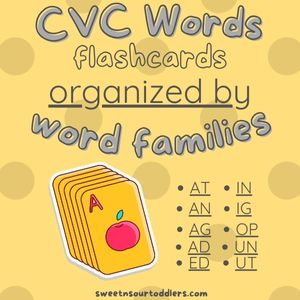
Once your child is blending easily, move on to word families—groups of words that share the same ending (like cat, bat, hat, and mat). This helps children recognize patterns in words and read new ones faster.
You can use magnetic letters, flashcards, or my printable word family sheets from the free pack to practice.
6. Making Reading Fun + The Program That Helped Us Most 🏆
Even with fun worksheets, I wanted a simple, step-by-step way to teach reading that didn’t take hours of planning.
That’s when I discovered Children Learning Reading—a program designed specifically for parents like us.
At first, I was skeptical.
Could something this short and simple actually work?
But after just 10 minutes a day, my daughter was reading three-letter words within weeks. Soon, she was confidently reading full sentences.
She’s five now and reads at a third-grade level.
I still remember her tiny voice sounding out a story from start to finish—it’s one of those mom moments you never forget.
If you want a structured system that pairs perfectly with the worksheets I’ve shared, I truly recommend checking out Children Learning Reading. It’s the program that made everything “click” for us.
7. Final Step: Start Today with Your Free Worksheets 🎁
You don’t need to be a teacher or spend hours a day to help your child read. With the right order, a few fun activities, and consistency, you can make reading one of your child’s favorite parts of the day.
🎉 Grab your Free Phonics Worksheet Pack to get started—it includes everything you need to teach:
- Phonemic awareness
- Beginning sounds
- Word families
- Blending and CVC words
👉 Send Me the Free Pack!
👉Are you trying to teach your child how to read and feel totally clueless?
When my daughter was two and a half, teaching her to read was the last thing on my mind.
Like most toddler parents, I was much too preoccupied with challenges like potty training and managing tantrums.
I stumbled upon Children Learning Reading totally by accident.
I watched in jaw drop amazement videos of kids as kids as young as 2 sounding out words and reading full sentences.
I was so honestly so skeptical about trying it out. My first thought was that my child was way too young to start. My second thought was that it would take too much effort and time and I didn’t have either to spare.
I put aside these limiting thoughts and instead thought: what do I have to lose?
And so I started. I spent 10 minutes a day and much to my amazement, within a few weeks of using Children Learning Reading my child was reading 3 letter words!
She soon progressed to reading sentences and then little short stories.
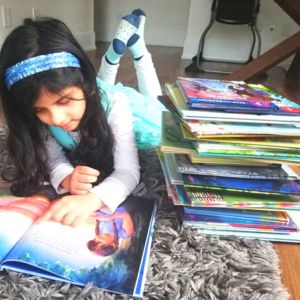
I can not begin to describe the joy you feel when you see your little one confidently finish reading a story by themselves from beginning to end!
She’s 5 now, reads at 3rd grade level and I literally need to ask her to come out of her reading corner!
If you’re interested, you can read my detailed post on how I taught my child to read: what are the things that worked for us, what I learned from the whole process of teaching my child to read and what I’d recommend you to do.
Check out Children Learning Reading and see why 70,000 plus parents have used this reading program (with zero teaching experience) to see some incredible results!
We think you’ll enjoy reading these posts next:
5 Toddler Pre-Reading Skills and How to Inculcate Them
10 Inspiring Ideas For Setting Up An Insanely Cute Toddler Reading Corner
Children Learning Reading Review – An Honest Opinion From a Mom
Understanding and Teaching CVC Words: A Guide for Educators and Parents


Leave a Reply